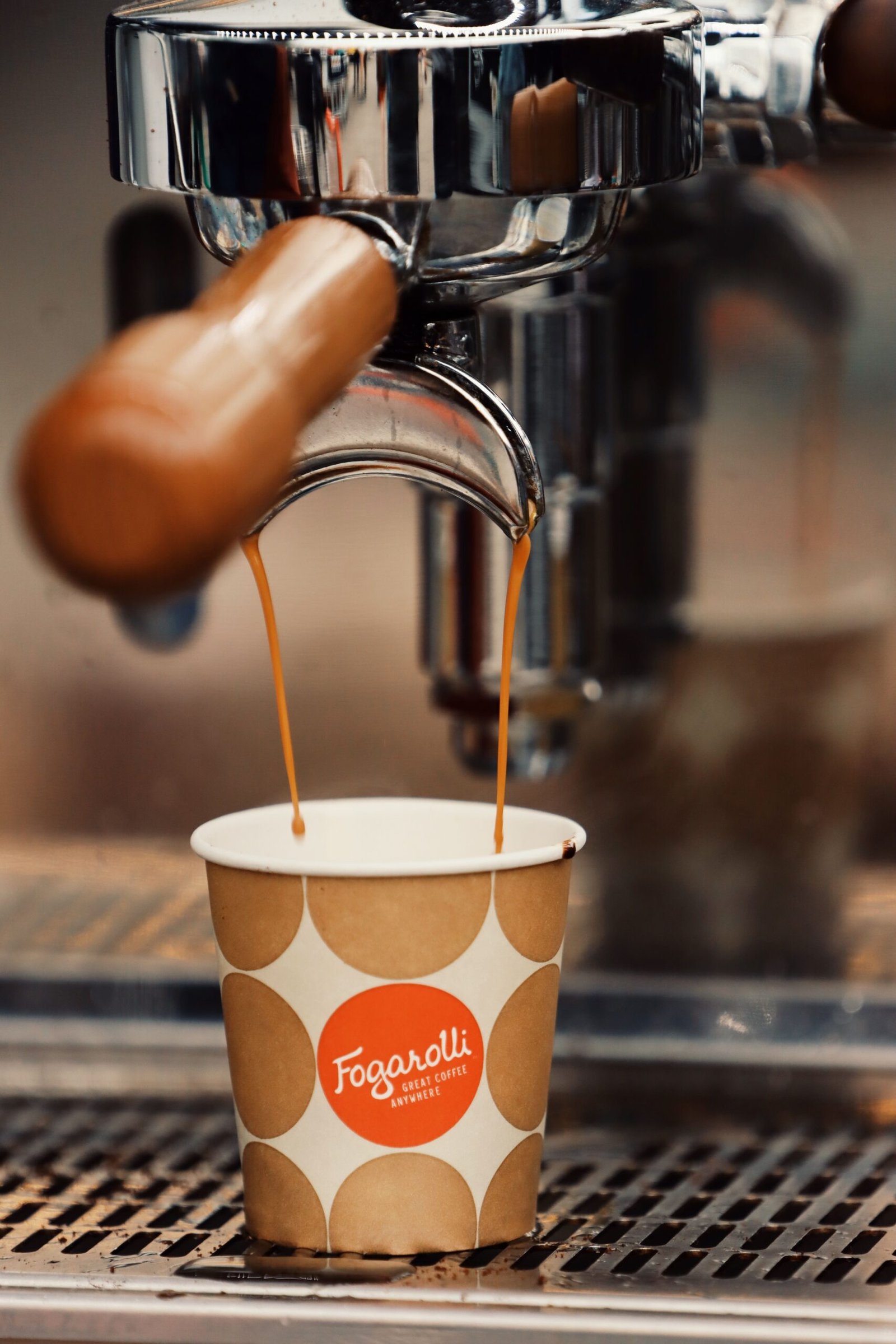

Shopping for a coffee maker that fits your lifestyle sounds simple until the labels start overlapping. Product pages use “compact,” “mini,” “portable,” and “travel” almost interchangeably, so it is easy to buy a machine that is tiny but still needs an outlet and a glass carafe, or one that packs into a backpack but feels fussy on a busy weekday. Here is the short answer to the compact coffee maker vs portable coffee maker question: a compact coffee maker is designed to save counter space in a home, dorm, or office, while a portable coffee maker is designed to be carried and used away from your kitchen, such as on a trip, at a campsite, or on a commute.
Disclosure: As an Amazon Associate, CompactBrew.com earns from qualifying purchases. This means we may earn a commission if you buy through links on this page, at no additional cost to you.
Some products are both compact and portable, and we will cover those too. Whether you are weighing a compact coffee maker or portable coffee maker, or trying to make sense of a portable vs compact coffee machine listing, this guide shows how each type works, where each one shines, and which one matches the way you actually drink coffee. In short, the compact vs portable coffee maker decision is really about where you brew. If you want a quick sense of the broader landscape first, our guide to compact vs full-size coffee makers explains how size categories work for countertop machines.
What Is a Compact Coffee Maker?
A compact coffee maker is a countertop brewer built with a smaller footprint than a standard full-size machine. It is still a home appliance: it sits in one place, plugs into a wall outlet, and usually heats its own water. Typical examples include small drip brewers, single-serve pod machines, and small espresso machines.
What makes a coffee maker compact
Compact is about the space a machine takes up on your counter and in your cabinets. When you compare models, look at three measurements: width, depth, and height. Height is easy to overlook. A slim machine can still need extra clearance above it to open a lid or lift a handle, which matters under low cabinets. CompactBrew’s budget coffee makers for small kitchens guide walks through how to measure your space before you buy.
Typical brewing capacity
Capacity varies by design. Single-serve machines brew roughly one mug at a time. Small drip machines are usually sold as 4-cup or 5-cup models. Coffee makers count a “cup” as 5 fluid ounces, so a 5-cup machine makes about 25 fluid ounces, which is a little more than two 12-ounce mugs. Always check the stated capacity against the mugs you actually use.
Electrical requirements
Compact coffee makers run on household power, so you need a standard wall outlet. Wattage varies by model, so check the label or manual if you plan to use one on a shared circuit, in an RV, or abroad where the voltage may differ.
Advantages and limitations
- Best for: apartments, dorm rooms, offices, and small kitchens where counter space is limited.
- Advantage: convenience. You add water and coffee (or a pod), press a button, and the machine handles heating and brewing.
- Limitation: it needs power and a stable surface, and parts like reservoirs and glass carafes are not designed for being tossed in a bag.
- Limitation when traveling: a small plug-in machine is still a machine. You have to pack it, protect it, and find an outlet at your destination.
If you live in a small place, our roundup of how to choose a coffee maker for a small apartment covers placement and sizing in more detail.

- Compact Design: The coffee machine is great for small kitchens or offices this coffee maker brews just the right amount …
- Pause & Brew Function: Enjoy the flexibility to pour a cup mid-brew without a mess with the small drip coffee maker. Thi…
- Keep Warm Feature: Maintain your coffee at the optimal temperature for up to 30 minutes after brewing with this compact …
What Is a Portable Coffee Maker?
A portable coffee maker is a brewer designed to be carried and used away from a kitchen. It is typically lightweight, durable, and built from materials that survive a backpack, a glove box, or a camp kitchen bin. Many portable models are manual, so they need hot water but no electricity.
What makes a coffee maker portable
Think of a portable brewer as travel coffee brewing equipment: it is judged by weight, packability, and durability, not just size. REI’s tested camp coffee makers show how wide the range is: REI’s camp coffee maker guide includes a collapsible pour-over frame that weighs well under an ounce and an insulated French press that weighs more than two and a half pounds. Both are “portable,” but only one belongs in a backpacking kit. Many portable brewers also nest their parts together or come with a travel case or mug that doubles as storage.
Manual, battery-powered, and compact electric options
- Manual brewers: press-style devices, pour-over cones, and French press-style travel mugs. They need no power at all.
- Battery or USB-rechargeable brewers: small electric devices that can heat water or pump pressure. NBC Select’s travel-friendly coffee maker guide lists one electric portable espresso maker that, according to its maker, heats about 2 ounces of water to nearly 200°F in around three minutes and charges over USB-C.
- Stovetop brewers: percolators and moka-style pots that sit on a camp stove, which REI recommends mainly for car camping and groups.
Hot water requirements
This is the single biggest practical difference. Most manual portable brewers do not heat anything. According to NBC Select’s travel-friendly coffee maker guide, many travel brewers depend on access to hot or cold water, so you may need a camp stove, a kettle, or a battery-powered water heater to use them for hot coffee. If you are camping, plan on bringing a stove and kettle along with the brewer.
Where portable coffee makers work best
Portable coffee makers suit camping, road trips, hotel stays, hiking, backpacking, and any situation where you cannot count on a counter and a power outlet. Our guide to portable coffee makers for travel goes deeper on travel-specific features.

- 【LIGHTWEIGHT & PORTABLE】: OutIn Portable Espresso Machine weighs only 670 grams. Made of food-grade stainless steel and …
- 【FAST SELF-HEATING & RICH CREMA】: OutIn Nano coffee machine heats 1.7oz of 77°F room temperature water to 198°F within 2…
- 【PREMIUM BATTERY CAPACITY 】: Travel espresso maker comes with 2500mAh 3s lithium batteries, compatible with 10–15 watts …
Compact Coffee Maker vs Portable Coffee Maker: Key Differences
The table below compares typical characteristics of each category. These are general patterns, not rules: individual products vary, and plenty of exceptions exist. Specs mentioned come from manufacturer listings or from the published guides cited in this article. CompactBrew has not hands-on tested these products, so treat any manufacturer claim as a claim and check the current product page before you buy.
| Feature | Compact coffee maker | Portable coffee maker |
|---|---|---|
| Primary purpose | Save counter space for everyday brewing at home or in an office | Brew coffee away from home: travel, camping, commuting |
| Size | Small countertop footprint, but still a plug-in appliance with a reservoir | Designed to pack down, nest, or fit in a bag; often bottle-sized |
| Weight | Not designed to be carried; weight varies, so check the spec sheet | Ounces to a couple of pounds. REI lists the AeroPress Go at 11.5 ounces |
| Portability | Movable but awkward; glass carafes and reservoirs need protection | Built for transport, often with a case, mug, or nesting parts |
| Brewing capacity | One mug (single-serve) to about 4 to 5 cups (roughly 20 to 25 fl oz) for small drip machines | Usually one to two servings; AeroPress lists the Original at 10 oz and REI lists the Go at 8 fl oz. Some camp presses and percolators brew 3 to 5 servings |
| Power source | Wall outlet | Often none (manual); some use rechargeable batteries or USB-C |
| Water-heating requirement | Heats its own water | Usually needs hot water from a kettle or stove; a few electric models heat their own |
| Brewing methods | Automatic drip, pod, small espresso | Immersion press, pour-over, manual espresso, percolator, moka-style |
| Coffee quality and customization | Consistent and hands-off; fewer variables to control | More hands-on; you control grind, ratio, time, and temperature |
| Ease of cleaning | Carafe, basket or pod holder, reservoir, and periodic descaling | Often a quick rinse, though you need water at camp and must clean between cups |
| Durability | Fine for home use; glass and moving parts need care | Varies. Metal and plastic travel better than glass, according to an expert quoted by NBC Select |
| Price range | Varies widely, from budget drip machines to premium pod or espresso models | Varies widely, from simple pour-over cones to electric portable espresso makers |
| Best use cases | Apartments, dorms, offices, small kitchens | Camping, hiking, road trips, hotels, frequent travel |
For a sense of real-world pricing at the time of writing (November 2026), AeroPress lists the Original at a regular price of $39.95 on its own site, REI and NBC Select list the AeroPress Go at $49.95, and NBC Select lists one electric portable espresso maker at $149.99. Prices change often, so confirm before you buy.
Pros and Cons of Compact Coffee Makers
Pros
- Small footprint: they free up counter space compared with a full-size brewer, which is the whole point for apartments and dorms.
- Everyday convenience: automatic heating and brewing means less effort on a rushed morning.
- Right-sized batches: a 5-cup drip machine or single-serve brewer produces less leftover coffee than a 12-cup pot.
- Easy to store: many fit under a standard cabinet or on a shelf when not in use.
Cons
- Limited capacity: two large travel mugs can exceed a small drip machine’s stated capacity, so check the numbers.
- Electrical dependence: no outlet, no coffee.
- Not travel-ready: fragile parts and a water reservoir make them a hassle to pack.
- Everyday upkeep: pod machines can cost more per serving, and many compact machines need descaling, filter replacement, or both.
If you are brewing for two, our guides to compact coffee makers for two people and small coffee makers for couples show how to size capacity for shared mornings.
- Compact Design: The coffee machine is great for small kitchens or offices this coffee maker brews just the right amount …
- Pause & Brew Function: Enjoy the flexibility to pour a cup mid-brew without a mess with the small drip coffee maker. Thi…
- Keep Warm Feature: Maintain your coffee at the optimal temperature for up to 30 minutes after brewing with this compact …
Pros and Cons of Portable Coffee Makers
Pros
- Lightweight and packable: lightweight coffee makers can fit in a carry-on, a daypack, or a glove box.
- Travel convenience: they let you brew in places with no counter, no outlet, and sometimes no kitchen.
- Brewing flexibility: manual brewers let you adjust grind size, coffee-to-water ratio, and brew time.
- No electricity required (manual types): they only need hot water.
Cons
- Hot water required: most do not heat their own water, so you also need a kettle, stove, or hot-water source.
- Small batches: single-serve devices are slow for groups because you brew and clean for each cup, as REI points out.
- Hands-on operation: manual brewing takes a little practice and attention.
- Cleanup in the field: you need water to rinse gear, and grounds should be packed out at camp.
- Battery limits: electric portable models depend on charge, and some work best on a full battery.
- 【LIGHTWEIGHT & PORTABLE】: OutIn Portable Espresso Machine weighs only 670 grams. Made of food-grade stainless steel and …
- 【FAST SELF-HEATING & RICH CREMA】: OutIn Nano coffee machine heats 1.7oz of 77°F room temperature water to 198°F within 2…
- 【PREMIUM BATTERY CAPACITY 】: Travel espresso maker comes with 2500mAh 3s lithium batteries, compatible with 10–15 watts …
Which Makes Better Coffee?
Neither category is automatically better. Coffee quality depends far more on the brewing method, bean freshness, grind size, water temperature, and your technique than on whether the machine is labeled compact or portable. REI’s guide to making great coffee at camp boils it down to three controllable variables: coffee-to-water ratio, grind size, and water. It cites the Specialty Coffee Association’s suggested ratio of about 1 part coffee to 16 parts water, and recommends brewing water around 195°F to 205°F.
Here is how common brewing methods compare, including REI’s suggested grind and brew time for camp methods:
| Method | Typically found in | Grind and time (REI camp guide) |
|---|---|---|
| Automatic drip | Compact coffee makers | Medium grind is typical for drip, per REI. Brew time depends on the machine |
| Pour-over | Portable cones and drippers | Medium grind, about 3 to 5 minutes |
| French press | Portable travel presses | Coarse grind, about 4 to 5 minutes |
| AeroPress-style | Portable and hybrid | Fine grind, about 2 to 3 minutes (AeroPress itself suggests medium-fine for its standard recipe) |
| Portable espresso | Portable electric or manual | Varies by device; follow the manufacturer’s instructions |
Drip coffee
Automatic drip is the classic compact-machine result: balanced, familiar, and consistent. You give up control over brew time and water temperature, but you also give up the effort.
Pour-over
Pour-over cones and drippers are small, simple, and very packable. They reward patient pouring and a decent kettle, and cleanup is usually just tossing the filter and rinsing the cone.
French press
French press-style brewers are forgiving. An expert quoted by NBC Select, the Specialty Coffee Association’s Peter Giuliano, says press-style brewers that use coarse coffee are the easiest and most forgiving in terms of technique. Insulated travel versions keep coffee hot, but they add weight.
AeroPress-style brewing
Press brewers like the AeroPress combine immersion and pressure to make a concentrated, smooth cup in a couple of minutes. REI describes AeroPress coffee as “espresso-style,” not true espresso, because it does not meet the pressure and temperature conditions for a true shot.
Portable espresso makers
Small manual and electric portable espresso makers can produce concentrated shots. Many manual models still need hot water from somewhere else, while a few electric ones heat their own. Treat maker claims about pressure or temperature as manufacturer claims, and expect a smaller yield than a home machine.
Which Coffee Maker Is Better for Different Situations?
Here are quick recommendations for common situations. Use them as a starting point and adjust for your own routine.
Small apartments and tiny kitchens
Recommendation: a compact coffee maker. You will use it every day, so counter footprint and convenience matter most, which is why the best coffee maker for small spaces is usually a compact one. Compact coffee machines for apartments are designed for exactly this, and a very small manual brewer can be a space-saver if you do not mind the extra steps. Our small-apartment coffee maker guide has a checklist.
Daily home use
Recommendation: a compact coffee maker. If you brew every morning, an automatic machine takes the routine off your plate. A portable brewer works too if you enjoy hands-on brewing, but it is more work every day.
Office use
Recommendation: a compact coffee maker if you have an outlet and a shelf. A portable manual brewer plus an electric kettle also works if your desk space is tight.
College dorm rooms
Recommendation: a compact coffee maker, checked against your dorm’s appliance rules. Policies vary by school, so confirm what is allowed. If heating elements are restricted, a manual brewer with hot water from a permitted source may be easier. For budget-friendly options, see our budget coffee makers for small kitchens guide.
Road trips
Recommendation: a portable coffee maker. You will have a car, which makes it easy to bring a thermos or kettle. For most road trippers, the best coffee maker for travel is a simple press-style or insulated travel brewer.
Hotels
Recommendation: a portable coffee maker, ideally a compact manual one. The challenge is hot water, since in-room equipment varies from hotel to hotel. A compact manual brewer plus a small travel kettle (or hot water from an in-room machine, if there is one) solves it. If you travel internationally, check the voltage on any electric kettle or device you bring.
Camping
Recommendation: a portable coffee maker. For portable coffee makers for camping, REI’s testers favor lightweight single-serve brewers for solo trips and larger presses or percolators for groups, and they note that you will need a stove and kettle for hot water. Review REI’s camp coffee maker guide for options by group size.
RV travel
Recommendation: depends on your power setup. With reliable shore power, a compact electric machine is convenient. If you boondock on battery or a generator, a manual brewer plus a kettle is less demanding on your power system. Our guide to compact coffee makers for RVs and campers covers both approaches.
Hiking and backpacking
Recommendation: an ultralight portable brewer. Every ounce counts, so a collapsible pour-over frame or a compact press makes sense. Pack out your grounds and filters, as REI advises under Leave No Trace.
People who travel frequently
Recommendation: a portable coffee maker, or a hybrid. If you spend lots of time away from home, a coffee maker for home and travel that works in both places can save you from owning two setups. See the hybrid section below.

- Make Your Favorite Espresso Coffee At Home: The CASABREWS coffee machine with milk frother allows you to prepare all you…
- Professional 20 Bar Pressure System: Semi-Automatic 2-in-1 Espresso Maker, with 20 bar professional Italian pump and 135…
- Milk Frothing System: Our espresso machine with milk frother has a powerful steam wand, so you can texture creamy, rich …
- 【LIGHTWEIGHT & PORTABLE】: OutIn Portable Espresso Machine weighs only 670 grams. Made of food-grade stainless steel and …
- 【FAST SELF-HEATING & RICH CREMA】: OutIn Nano coffee machine heats 1.7oz of 77°F room temperature water to 198°F within 2…
- 【PREMIUM BATTERY CAPACITY 】: Travel espresso maker comes with 2500mAh 3s lithium batteries, compatible with 10–15 watts …
Can a Coffee Maker Be Both Compact and Portable?
Yes. This is one of the most useful ideas in this whole decision. Compact describes how much space a coffee maker takes up at home, while portable describes how easily and safely you can carry and use it elsewhere. A product can be one, both, or neither.
The AeroPress family is the best-known example. The AeroPress Original is listed by AeroPress at 5.25 inches tall and 4.2 inches wide, brewing 10 ounces, with a weight of 7.75 ounces for the full set and 6.5 ounces for the parts you would typically take camping or traveling. AeroPress describes it as having a travel-ready design, and you can learn more on the official AeroPress Original page. The AeroPress Go is a smaller travel version; REI lists it at 11.5 ounces with a mug that doubles as a carrying case. AeroPress’s own FAQ notes that the Original and the Go work similarly but have some differences, so read it before choosing between them.
Other products that can fit both categories include:
- Compact manual brewers: small pour-over cones and press-style travel brewers that live in a drawer at home and in a bag on the road.
- Small travel espresso makers: NBC Select’s guide lists an electric portable espresso maker listed at 2.7 x 2.7 x 9 inches that, per its maker, heats its own water.
- Insulated travel presses: brew-and-carry mugs that work at a desk or in a car.
Compact size does not automatically mean travel-ready. A small plug-in drip machine saves counter space, but it still needs an outlet, a reservoir, and a carafe you must protect in a suitcase. Conversely, a portable brewer can be easy to carry yet awkward as your only daily machine if you want a fast, hands-off morning.
What Should You Consider Before Buying?
- Dimensions and storage space: measure width, depth, and height with lids open, and decide where it will live.
- Weight: essential for travel, backpacking, and flying. Check the manufacturer’s weight for the parts you will carry.
- Brew capacity: match it to how many mugs you pour and how big those mugs are.
- Power availability: will you always have an outlet? If not, choose manual or rechargeable.
- Water-heating method: built-in heater, kettle, camp stove, or battery-powered heater.
- Coffee type and brewing preferences: pods, ground coffee, instant, or espresso-style. A filter type you are used to matters too. Giuliano of the Specialty Coffee Association suggests choosing a travel brewer with a filter type similar to what you use at home, according to NBC Select.
- Cleaning requirements: descaling for electric machines, quick rinses for manual ones, and the water you will have on hand.
- Accessories: filters, a grinder, a kettle, a travel mug, or a carry case may be extra.
- Price and ongoing costs: factor in pods, paper filters, and replacement parts.
- 【LIGHTWEIGHT & PORTABLE】: OutIn Portable Espresso Machine weighs only 670 grams. Made of food-grade stainless steel and …
- 【FAST SELF-HEATING & RICH CREMA】: OutIn Nano coffee machine heats 1.7oz of 77°F room temperature water to 198°F within 2…
- 【PREMIUM BATTERY CAPACITY 】: Travel espresso maker comes with 2500mAh 3s lithium batteries, compatible with 10–15 watts …
- Compact Design: The coffee machine is great for small kitchens or offices this coffee maker brews just the right amount …
- Pause & Brew Function: Enjoy the flexibility to pour a cup mid-brew without a mess with the small drip coffee maker. Thi…
- Keep Warm Feature: Maintain your coffee at the optimal temperature for up to 30 minutes after brewing with this compact …
Compact vs Portable Coffee Maker: Which One Should You Buy?
Use this simple decision guide:
- Buy a compact coffee maker if you mainly brew at home or in an office and need a space-saving machine that handles the heating and brewing for you.
- Buy a portable coffee maker if you regularly travel, camp, work away from home, or need coffee in different locations without a reliable outlet.
- Consider a hybrid if you want one coffee maker for home and travel. A compact manual brewer that packs small can cover both, provided you are comfortable with manual brewing and have a way to heat water.
- Consider owning both if you want hands-off weekday mornings and a dedicated, durable setup for trips. They solve different problems.
FAQs
Is a compact coffee maker the same as a portable coffee maker?
No. A compact coffee maker is designed to save counter space, while a portable coffee maker is designed to be carried and used away from a kitchen. Some products are both, but the terms describe different design goals.
Can compact coffee makers be used for travel?
Sometimes, but they are not designed for it. A compact plug-in machine still needs an outlet and a protected reservoir and carafe, and you need to check voltage if you travel internationally. For regular travel, a portable brewer is usually easier.
Are portable coffee makers good for everyday home use?
They can be, especially if you enjoy hands-on brewing and have a kettle. They are slower and more manual than a compact automatic machine, so many people prefer a compact maker for busy weekday mornings.
Do portable coffee makers need electricity?
Many do not. Manual types like press brewers, pour-over cones, and French press-style travel mugs need only hot water. Some portable models use rechargeable batteries or USB-C.
Do portable coffee makers heat their own water?
Most do not. According to NBC Select, many portable brewers require access to hot water, so you may need a stove, kettle, or battery-operated heater. A few electric portable espresso makers claim to heat water internally, so check the manufacturer’s specs.
Which coffee maker is better for a small apartment?
A compact coffee maker is usually the better everyday choice because it handles brewing automatically and fits on a small counter. If counter space is nearly nonexistent, a small manual brewer that stores in a drawer is an alternative.
What is the best coffee maker for camping?
It depends on your group size and how far you carry gear. REI’s guide separates picks by servings and recommends lightweight single-serve brewers for solo trips and larger presses or percolators for groups. Whatever you choose, plan for a stove and kettle to heat water.
Can one coffee maker be both compact and portable?
Yes. Small manual brewers such as the AeroPress family are examples, since they take little space at home and are designed for travel. Compact size alone does not guarantee portability, so check the weight, materials, and power needs.
Are portable coffee makers worth buying?
If you travel, camp, or work in places without a kitchen, yes. They give you better coffee than instant in situations where a full machine is not an option. If you only brew at home, a compact coffee maker is likely the better value.
Which type is better for daily coffee?
For most people, a compact coffee maker is easier for daily use because it automates heating and brewing. If you enjoy a manual routine, a compact portable brewer like a press or pour-over can work every day too.
- Compact Design: The coffee machine is great for small kitchens or offices this coffee maker brews just the right amount …
- Pause & Brew Function: Enjoy the flexibility to pour a cup mid-brew without a mess with the small drip coffee maker. Thi…
- Keep Warm Feature: Maintain your coffee at the optimal temperature for up to 30 minutes after brewing with this compact …
- 【LIGHTWEIGHT & PORTABLE】: OutIn Portable Espresso Machine weighs only 670 grams. Made of food-grade stainless steel and …
- 【FAST SELF-HEATING & RICH CREMA】: OutIn Nano coffee machine heats 1.7oz of 77°F room temperature water to 198°F within 2…
- 【PREMIUM BATTERY CAPACITY 】: Travel espresso maker comes with 2500mAh 3s lithium batteries, compatible with 10–15 watts …
Final Verdict
The compact coffee maker vs portable coffee maker choice comes down to where you brew and how much effort you want to put in. If your coffee happens mostly at home, a compact coffee maker saves space and keeps mornings simple. If your coffee happens on the road, at a campsite, or in places without power, a portable coffee maker gives you the flexibility to brew anywhere you can heat water.
Neither type is better for everyone. Start by deciding where you will drink most of your coffee, how much counter space you can spare, and whether you will have an outlet and hot water. If your answers split between home and travel, a hybrid like a compact manual brewer may be the best coffee maker for home and travel. Whichever you choose, remember that fresh coffee, the right grind, and good water will do more for your cup than the label on the box.