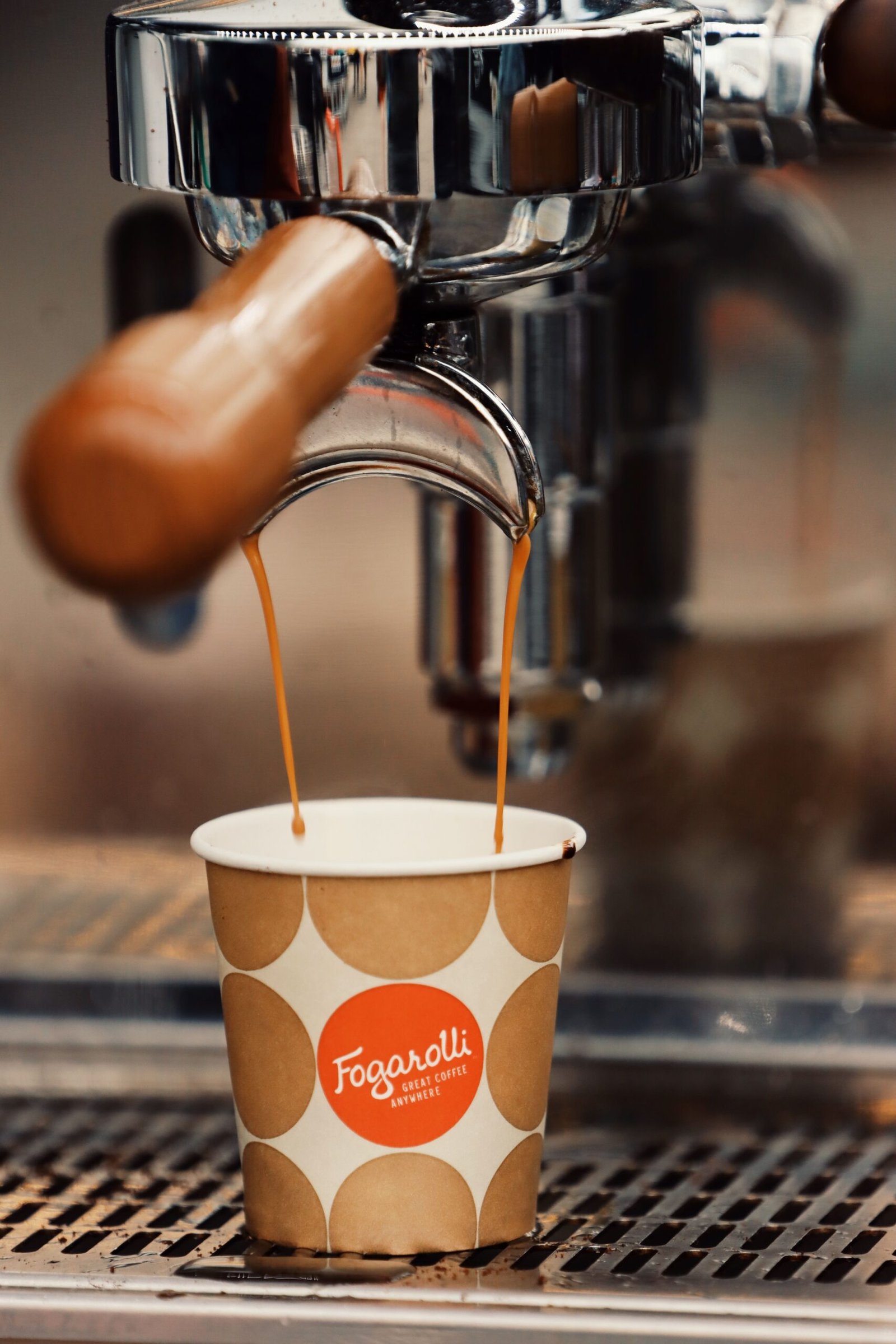

You don’t need a sprawling espresso bar to make a proper latte at home. If you want creamy, milk-based coffee but your counter space is measured in inches, not feet, the best compact coffee makers with milk frothers can deliver café-style drinks from a footprint smaller than a sheet of paper.
This guide is based on verified manufacturer specifications, user manuals, and editorial analysis — not hands-on lab testing. CompactBrew.com may earn a commission if you buy through links on this page, at no extra cost to you. Our shortlist focuses on machines that are genuinely small, froth milk well, and make sense for real small-kitchen life.
Our top picks at a glance:
- Best overall for small kitchens: Ninja PB051 — the slimmest machine here, with a built-in fold-away frother and pods-or-grounds flexibility
- Best for true espresso lovers: Breville Bambino Plus — automatic microfoam from a machine under 8 inches deep
- Best ultra-slim espresso machine: De’Longhi Dedica — just 6 inches wide
- Best pod system: Keurig K-Café SMART — hot and cold frothing with app control
- Best bean-to-cup option: De’Longhi Magnifica XS — built-in grinder, minimal footprint
Best Compact Coffee Makers with Milk Frothers at a Glance
| Product | Best For | Coffee Type | Frother Type | Dimensions (W×D×H) | Key Advantage | Main Limitation |
|---|
| Ninja PB051 | Overall small-kitchen value | Pods or ground coffee | Built-in fold-away whisk frother | 5.5 × 13.1 × 13.3 in | Extremely slim; brews 6–24 oz | Not true espresso |
| Breville Bambino Plus | Best milk texture | Ground coffee (espresso) | Automatic steam wand + manual mode | 7.4 × 11.9 × 14.3 in | Hands-free microfoam; 3-sec heat-up | Needs a separate grinder |
| De’Longhi Dedica EC680 | Slimmest espresso machine | Ground coffee or ESE pods | Manual steam wand | 6.0 × 13.0 × 12.0 in* | Fits anywhere; classic barista control | Steeper learning curve |
| Keurig K-Café SMART | Easiest pod lattes | K-Cup pods | Built-in hot/cold frother | ~11 × 12.5 × 12.1 in* | Cold froth + app connectivity | Ongoing pod costs |
| De’Longhi Magnifica XS | No-fuss bean-to-cup | Whole beans or ground | Automatic cappuccino frother | 9.4 × 17.3 × 14.2 in | Built-in grinder; one-touch drinks | Deepest machine on the list |
*Dimensions for the Dedica and K-Café SMART vary slightly by retailer listing — verify against the manual before purchase (see fact-check checklist below).
Best Compact Coffee Makers with Milk Frothers
1. Ninja PB051 Single-Serve Pods & Grounds Specialty Coffee Maker — Best Overall for Small Kitchens

- BREW WITH PODS OR GROUNDS: Brew a single-serve cup of coffee with grounds for ultimate flavor or with a coffee pod for u…
- 4 BREW STYLES: Select Classic, Rich, Over Ice, or Specialty for your grounds or coffee pods.
- ULTIMATE BREW VERSATILITY: Brew a 6, 8, 10, or 12-oz. pod brew or choose from a 6, 8, 10, 12, 14, 18, or 24-oz. grounds …
Best for: Anyone who wants lattes and cappuccino-style drinks from the smallest possible machine.
Verified specifications:
- Dimensions: 13.3 in (H) × 5.5 in (W) × 13.07 in (D); 6.23 lb
- 56 oz removable water reservoir
- Brew sizes from 6 oz up to 24 oz; Specialty Brew produces a 4 oz concentrated coffee
- Four brew styles: Classic, Rich, Over-Ice, Specialty
- Fold-away frother whisk; adjustable cup tray accommodating mugs up to 8 in tall
Why it suits a small kitchen: At 5.5 inches wide, this is the narrowest coffee maker with a frother we could verify. The frother folds away into the side of the machine when you’re not using it, so nothing extra sits on your counter. The removable reservoir and included storage bin for the pod adapter keep accessories contained rather than scattered.
Milk-frothing capabilities: The fold-away frother is a whisk-style frother, not a steam system. It heats and aerates milk automatically — good for latte-style foam and cappuccino foam, though it won’t produce the glossy microfoam of a steam wand. Plan to froth first, then brew, since the machine does one job at a time.
Honest limitations: The Specialty Brew is a concentrated coffee, not espresso — there’s no pressure pump. If you want real espresso shots with crema, look at the Breville or De’Longhi machines below. Construction is mostly plastic, which keeps it light and cheap but less substantial.
Cleaning: The permanent filter, brew basket, and reservoir are all removable. The user manual recommends a weekly clean cycle and periodic descaling.
Ideal buyer: A small-apartment dweller who wants pods and grounds flexibility, a small coffee maker with a milk frother that disappears into a tight corner, and the biggest feature-per-dollar ratio on this list.
2. Breville Bambino Plus — Best for True Espresso Lovers

- MICROFOAM MILK TEXTURING: Cappuccino maker and latte machine has an automatic steam wand allowing you to adjust milk tem…
- PRECISE DOSE GRINDING: This semi-automatic espresso machine allows you to achieve a consistent and balanced espresso usi…
- WATER PRESSURE: Low pressure pre-infusion gradually increases pressure at the start and draws out all flavors evenly dur…
Best for: People who want café-quality milk texture and real espresso from a compact espresso machine with a milk steamer.
Verified specifications:
- Dimensions: 11.9 × 7.4 × 14.3 in; stainless steel body
- 64 fl oz water tank — the largest here
- ThermoJet heating system: ready to brew in 3 seconds
- Hands-free automatic steam wand with 3 milk temperatures and 3 texture levels, plus a manual mode
- 54 mm portafilter, 15-bar Italian pump, PID temperature control
- 2-year limited warranty
Why it suits a small kitchen: Despite its capabilities, the Bambino Plus is under 8 inches deep with the drip tray on — remarkable for an espresso machine. The included 16 oz stainless steel milk jug stores in a cabinet, and the 3-second heat-up means no waiting around in a cramped kitchen.
Milk-frothing capabilities: This is the standout. The automatic steam wand textures milk at 266°F steam pressure to produce genuine microfoam suitable for latte art — something no whisk frother can do. Switch to manual mode when you want full barista control.
Honest limitations: There’s no grinder built in, so budget for a separate burr grinder (and counter space for it). The 14.3-inch height may challenge under-cabinet clearance. It’s also the priciest machine in this guide.
Cleaning: The steam wand auto-purges after use. Descale per the manual; the stainless body wipes clean easily.
Ideal buyer: The coffee enthusiast in a small kitchen who refuses to compromise on milk quality and already owns (or will buy) a grinder.
3. De’Longhi Dedica EC680 — Best Ultra-Slim Espresso Machine

- Thermoblock heating system; short heating time
- User-friendly control panel with illuminated buttons
- Ready to use thanks to self-ventilation system
Best for: Buyers who need the absolute minimum counter width and enjoy hands-on milk frothing.
Verified specifications:
- Slim 6-inch (15 cm) width — De’Longhi calls it “the slimmest pump coffee maker around”
- Thermoblock heats to brewing temperature in ~40 seconds
- Advanced manual cappuccino frother (steam wand)
- Removable double drip tray accommodates cups up to 12 cm (4.7 in) tall
- Brews ground coffee or E.S.E. pods; 1 or 2 shots with flow-stop control
- Auto shut-off after 20 minutes
Why it suits a small kitchen: Six inches wide means it slots between the toaster and the wall. The 40-second heat-up is quick enough that you won’t resent the manual workflow on busy mornings.
Milk-frothing capabilities: The patented manual frother is a classic steam wand — with practice, it produces dense, long-lasting cappuccino foam. Beginners should expect a learning curve and watch a few technique videos.
Honest limitations: Steam-wand frothing is the least forgiving system on this list. The short 12 cm cup clearance means tall latte glasses won’t fit without removing the drip tray. Note: at the time of research, the EC680BK showed as out of stock on De’Longhi’s US site — the newer EC685 is widely available and very similar, so verify current availability before publishing buying links.
Cleaning: Removable water tank, drip tray, and frother tip. Descale regularly, especially with hard water.
Ideal buyer: The traditionalist with a genuinely tiny counter who wants an authentic compact espresso machine with a milk steamer and doesn’t mind learning the wand.
4. Keurig K-Café SMART — Best Pod System for Lattes

- COFFEE, LATTES & CAPPUCCINOS: Brew full-flavored coffee and make delicious coffeehouse beverages using any K-Cup pod.
- BrewID: WiFi enabled BrewID technology, recognizes your specific K-Cup pod and customizes brew settings. BrewID technolo…
- CAFÉ CREATIONS: An expertly curated menu of beverages designed for your specific K-Cup pod, available in the Keurig app….
Best for: Convenience-first buyers who want hot and cold frothed drinks with zero technique required.
Verified specifications:
- 60 oz reservoir; brews 6, 8, 10, or 12 oz
- Shot button brews a concentrated 2 oz or 4 oz coffee shot for specialty drinks
- Built-in frother with 3 hot froth settings plus cold froth
- Wi-Fi connectivity with the Keurig app: scheduling, pod auto-delivery, Café Creations recipes
- Multistream technology punctures five holes per pod for more even extraction
- Launch MSRP: $249.99
Why it suits a small kitchen: It replaces a brewer and a separate frother in one unit, and the reservoir handle makes refills easy even when the machine sits under cabinets.
Milk-frothing capabilities: The cold froth setting is rare in this class — iced lattes without planning ahead. Hot froth quality is good, airy foam rather than microfoam. Important: the brewer cannot brew and froth simultaneously, and the frother cannot be submerged in water because of its electrical base.
Honest limitations: The “shot” is concentrated drip-style coffee, not pressure-brewed espresso. Multistream brewers require the newer five-hole reusable K-Cup if you want your own grounds.
Ongoing pod costs are the real price of convenience.
Cleaning: Rinse the frother immediately after every use — dried milk residue is the #1 complaint with this design.
Ideal buyer: The busy household that values speed and variety (hot lattes, iced drinks, regular coffee) from one pod-based machine.
5. De’Longhi Magnifica XS (ECAM22110) — Best Bean-to-Cup Option

- FRESH ESPRESSO FOR EVERY CUP: The professional burr grinder with 13 adjustable settings grinds fresh beans every time to…
- YOUR FOAM, YOUR WAY: A manual frother mixes steam and milk to create a rich, creamy froth for evenly textured drinks – j…
- CONSISTENT BREWING EVERY TIME: Each cup is automatically brewed to the perfect temperature, richness and density. And yo…
Best for: Buyers who want one-touch cappuccinos with freshly ground beans and no extra appliances.
Verified specifications:
- Dimensions: 9.45 in (W) × 17.32 in (D) × 14.17 in (H)
- Built-in stainless steel conical burr grinder; also accepts pre-ground coffee
- Patented “cappuccino system” automatic frother
- 60 oz side-access water tank; 5 strength settings; 4 cup sizes
Why it suits a small kitchen: It combines a grinder, brewer, and milk system in one ~9.5-inch-wide footprint — no separate grinder eating counter space like with the Breville. The side-mounted tank slides out without moving the machine, a real advantage under cabinets.
Milk-frothing capabilities: The automatic frother draws milk from your own container and produces consistent foam for cappuccinos and lattes at the press of a button. Less artistry than the Bambino Plus, far more consistency than a manual wand.
Honest limitations: It’s the deepest machine here (17.3 in), so depth — not width — is the constraint to measure. All-plastic construction and no digital display. It’s also the most expensive option on this list.
Cleaning: Removable brew group, drip tray, and tank. Descale on schedule; the frother tube needs a rinse after milk drinks.
Ideal buyer: The couple or family in an apartment who drinks multiple milk drinks daily and wants fresh-ground coffee with push-button convenience.
How to Choose a Compact Coffee Maker with a Milk Frother
Measure before anything else. Check width and depth, then add clearance: you need room in front to slide a mug in and, for top-loading tanks and bean hoppers, several inches above the machine for refilling. Overhead cabinets plus a tall machine is the most common small-kitchen fail.
Decide on your brewing style first. True espresso machines (Bambino Plus, Dedica) give you pressure-extracted shots and the best milk texture but demand a grinder and some skill. Pod machines (K-Café SMART) trade flavor ceiling for unbeatable convenience. Hybrid drip machines (Ninja) split the difference — great drinks, but “espresso-style” rather than espresso.
Match the milk system to your mornings. Automatic systems (Bambino Plus wand, Magnifica frother, Ninja whisk) are effortless. A manual steam wand (Dedica) offers control and better texture potential but requires practice. Note that espresso-based drinks from pod “shot” modes are approximations.
Size the water tank to your habits. A 56–64 oz tank (Ninja, Breville, Keurig, Magnifica) means refilling every few days for one or two drinkers. Anything under 40 oz gets tedious fast.
Check cup clearance. Tall travel mugs and latte glasses need 5.5–8 inches of height under the spout. The Dedica’s 4.7-inch maximum is the tightest here.
Budget for the real total cost. Espresso machines need a grinder ($100+ if you don’t own one). Pod machines cost roughly $0.50–$0.90 per cup in pods forever. Bean-to-cup machines cost more upfront but the cheapest per cup after. Specialty Coffee Association standards for brewing water temperature (195–205°F) are a useful benchmark when comparing drip-style machines — machines that hit this range extract more consistently.
Built-In Milk Frother vs. Steam Wand
Built-in frothers (Ninja’s whisk, Keurig’s frother, Magnifica’s cappuccino system) heat and foam milk automatically with one button. They’re convenient, compact, and consistent — ideal for rushed mornings. The trade-offs: less control over texture, extra parts to wash after every milk drink, and foam quality that ranges from airy (whisk types) to dense (carafe types) but rarely achieves true microfoam.
Steam wands (Bambino Plus, Dedica) inject steam into the milk itself, which integrates air and heats simultaneously. This creates the silky, glossy texture that latte art requires — and steams milk to the proper temperature for sweetness. The cost: technique, a milk jug, and wiping down the wand immediately after use.
Space angle: A built-in frother adds zero footprint. A steam wand needs room to maneuver a jug, so allow a few extra inches beside the machine.
Which Milk Frothers Work Best with Different Types of Milk?
Results depend heavily on the milk’s formulation — specifically protein and fat content — not just the machine.
Dairy milk: Whole milk (3.25%+ fat) froths richest with the best stability; 2% produces slightly lighter foam. Skim milk froths voluminously but with thin, dry bubbles. All five machines here handle dairy well; steam wands get the edge on texture.
Oat milk: The most forgiving plant option if you choose a “barista edition” formulation. Barista blends add fats and stabilizers designed to foam and hold structure under steam. Standard oat milk (water, oats, minimal fat) often separates or produces weak foam. Automatic whisk frothers handle barista oat milk adequately; steam wands handle it well.
Almond, soy, and coconut: These vary wildly by brand. Soy generally froths well (high protein); almond is the most temperamental; coconut adds flavor but unstable foam. Whatever machine you buy, expect to test two or three brands to find one that performs.
Key point: No frother “doesn’t work” with plant milk — the milk formulation is usually the deciding factor. Buy the barista version first.
Common Buying Mistakes
- Trusting “compact” marketing. Some machines marketed as slim are 17+ inches deep. Depth matters as much as width; the Magnifica XS is narrow but deep.
- Ignoring cabinet clearance. Top-fill tanks, bean hoppers, and lid-opening pod chambers all need vertical space. Measure from counter to cabinet, then subtract the machine height.
- Underestimating milk cleanup. Frothers and steam wands that aren’t rinsed immediately develop rancid milk residue — the single most common source of “my machine smells bad” complaints.
- Buying incompatible pods. Multistream Keurigs need five-hole reusable K-Cups; the Ninja uses its own pod adapter but accepts standard K-Cup-style pods in most cases — verify pod compatibility for your preferred brand.
- Forgetting the grinder budget. The Bambino Plus and Dedica are compelling prices until you add a capable grinder. Bean-to-cup machines include one but cost more upfront.
- Choosing too small a water tank. A machine you’ll refill daily is a machine you’ll stop using.
- Assuming a “shot” is espresso. Pod-machine shot modes produce concentrated coffee, not 9-bar espresso. If true espresso matters to you, buy a pump machine.
Frequently Asked Questions
What is the best compact coffee maker with a milk frother? For most small kitchens, the Ninja PB051 offers the best balance of size (5.5 in wide), versatility (pods and grounds), and price. For the best milk quality, the Breville Bambino Plus is the clear winner — with a grinder budgeted in.
Which small coffee maker is best for lattes? If you want real espresso in your latte, choose the Breville Bambino Plus or De’Longhi Dedica paired with a grinder. If convenience matters more, the Keurig K-Café SMART makes perfectly drinkable pod lattes — including iced ones — with zero technique.
Are built-in milk frothers worth it? Yes, if you drink milk-based coffee daily and value speed over artistry. They’re the difference between a 90-second latte and a 5-minute ritual. If you care about microfoam and latte art, a steam wand is worth the learning curve.
Can compact coffee makers froth oat milk? Yes — with barista-formulation oat milk, all five machines here can produce good foam. Standard (non-barista) oat milk often froths poorly regardless of machine. The milk formulation matters more than the frother type.
What is the difference between a milk frother and a steam wand? A frother aerates milk with a whisk or spinning disk, heating it simultaneously — simple, automatic, airy foam. A steam wand injects high-pressure steam into the milk, creating finer, creamier microfoam and heating more evenly, but requires skill.
How much counter space does a compact coffee maker need? Plan for roughly 12 × 14 inches minimum, plus 4–6 inches of overhead clearance for top-fill machines. Width is rarely the constraint; depth and height are what catch buyers out.
Are pod coffee makers with milk frothers easy to clean? The brew side is very easy — pods leave little mess. The frother is the weak point: it must be rinsed immediately after each use and typically can’t go in the dishwasher (the Keurig frother explicitly cannot be submerged). Skip the rinse, and residue builds fast.
Conclusion
The “best” compact coffee maker with a milk frother depends on what you’re optimizing for:
- Smallest footprint, best value: Ninja PB051 — nothing else this slim makes milk drinks this easily
- Best possible milk and espresso: Breville Bambino Plus — provided you add a grinder
- Tightest squeeze, traditional craft: De’Longhi Dedica — 6 inches of width and a proper steam wand
- Ultimate convenience, hot and cold: Keurig K-Café SMART — accept the pod costs and it does everything
- Fresh-ground beans, zero extra appliances: De’Longhi Magnifica XS — if you have the depth
Measure your counter first — height, depth, and the space in front of the machine — then pick the milk system that matches your mornings. For more space-saving picks, see our guide to the best compact coffee makers for small kitchens.